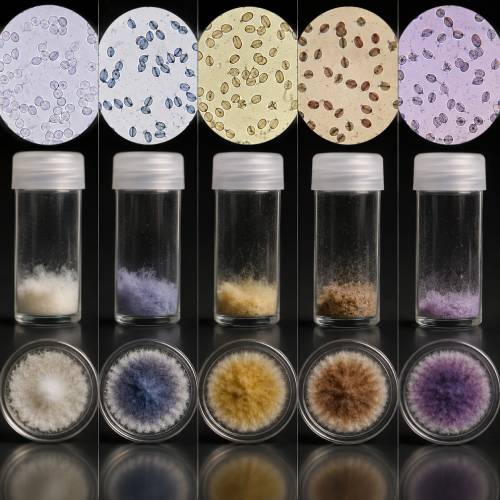
If you’re interested in microscopy and building a diverse reference collection, you’ve probably noticed that not all spore samples are the same. Every isolated spore variety offers unique microscopic characteristics, coloration, and research value. One specimen that has gained increasing attention among microscopy enthusiasts is Albino Bluey Vuitton.
While many isolated spores appear similar at first glance, closer examination often reveals subtle differences that make each variety worth studying. Understanding these distinctions helps researchers choose specimens that best fit their educational and observational goals.
Whether you’re new to microscopy or expanding an existing collection, learning how Albino Bluey Vuitton compares with other isolated spores can help you make a more informed decision.
What Is Albino Bluey Vuitton?
Albino Bluey Vuitton is an isolated spore variety collected specifically for microscopy and educational observation. Researchers appreciate isolated genetics because they provide greater consistency between samples, making repeated observations easier to document.
Rather than focusing on broad variation, isolated spores are selected to produce more uniform microscopic characteristics. This consistency is especially valuable for photography, slide preparation, and comparing observations over time.
Many collectors choose Albino Bluey Vuitton because it offers an excellent balance of visual interest and reliable sample quality.
Why Choose Isolated Spores?
One of the biggest differences between isolated spores and more generalized spore samples is consistency.
Benefits include:
More uniform microscopic observations
Easier comparison between prepared slides
Better repeatability during educational demonstrations
Cleaner reference collections
Improved documentation for microscopy projects
For anyone creating a long-term microscopy archive, isolated spores often provide a more dependable experience than mixed genetic samples.
How Albino Bluey Vuitton Compares to Other Isolated Spores
Although every isolated variety has unique characteristics, there are several areas where comparisons can be useful.
Sample Consistency
One of the primary reasons researchers seek isolated spores is predictable morphology under the microscope.
Albino Bluey Vuitton offers consistent spore appearance from one observation to another, making it easier to compare slides and maintain detailed research notes.
Many other isolated varieties provide similar consistency, but slight differences in appearance can make each sample an interesting addition to a microscopy collection.
Microscopy Appearance
When viewed under proper magnification, spores display unique characteristics such as:
Overall shape
Size
Surface appearance
Coloration
Density within the sample
These subtle differences are exactly what make comparative microscopy enjoyable for researchers.
Studying multiple isolated varieties side by side helps develop stronger microscopy skills while improving recognition of small structural variations.
Educational Value
One reason many educators prefer isolated spores is their reliability.
Students and new microscopy enthusiasts can prepare multiple slides that produce similar observations, making demonstrations more consistent and easier to explain.
This reduces confusion that may occur when highly variable samples are examined.
Experienced microscopy hobbyists rarely stop with a single isolated variety.
Instead, many gradually assemble a collection containing multiple isolated spores so they can compare:
Shape variations
Density differences
Preparation techniques
Slide quality
Imaging results
Adding Albino Bluey Vuitton alongside other isolated specimens creates more opportunities for learning while expanding your microscopy experience.
Proper Storage Matters
Regardless of which isolated spores you choose, proper storage helps preserve sample quality for future observation.
Best practices include:
Store samples in a cool, dry location.
Avoid prolonged exposure to direct sunlight.
Keep containers sealed when not in use.
Prevent excessive humidity.
Label specimens clearly for future reference.
Following these simple steps helps maintain the integrity of your microscopy collection.
Preparing High-Quality Slides
Even the highest-quality isolated spores require careful slide preparation.
For best results:
Use a clean microscope slide.
Add a small drop of sterile water.
Transfer a minimal amount of spores.
Mix gently using sterile equipment.
Carefully lower the coverslip to reduce air bubbles.
Begin viewing under lower magnification before increasing zoom.
Careful preparation often produces sharper images while reducing debris that may interfere with observation.
Choosing a Reliable Supplier
The quality of your microscopy experience often begins with the supplier.
Reliable vendors typically provide:
Clearly labeled specimens
Proper packaging
Consistent isolated genetics
Professional handling
Educational information for microscopy use
Many researchers purchase specimens through www.magicsporelabs.com because of its focus on quality microscopy products and carefully prepared isolated spore selections.
Choosing an established supplier helps ensure your reference collection remains consistent across future purchases.
Final Thoughts
When comparing isolated spores, there is rarely a single “best” option. Instead, each variety contributes something unique to a well-rounded microscopy collection.
Albino Bluey Vuitton stands out because of its consistent isolated characteristics, making it an excellent specimen for educational observation, slide preparation, and long-term reference collections. Combined with other isolated varieties, it allows researchers to explore subtle microscopic differences while improving imaging and documentation skills.
Whether you’re just beginning your microscopy journey or expanding an established collection, selecting high-quality isolated spores from trusted sources such as www.magicsporelabs.com helps create a more rewarding research experience.
Frequently Asked Questions
What is Albino Bluey Vuitton used for?
Albino Bluey Vuitton isolated spores are intended for microscopy, educational observation, and building scientific reference collections.
Why do researchers prefer isolated spores?
Isolated spores generally provide greater consistency between samples, making slide preparation, photography, and repeated observations easier.
Can Albino Bluey Vuitton be compared with other isolated spores?
Yes. Comparing multiple isolated varieties allows researchers to observe subtle differences in appearance, morphology, and overall slide characteristics during microscopy.
How should isolated spores be stored?
Store isolated spores in a cool, dry place away from direct sunlight while keeping containers sealed to help preserve sample quality.
Where can I purchase Albino Bluey Vuitton isolated spores?
Many microscopy enthusiasts obtain Albino Bluey Vuitton specimens from www.magicsporelabs.com, which specializes in microscopy-focused spore products and isolated spore selections.
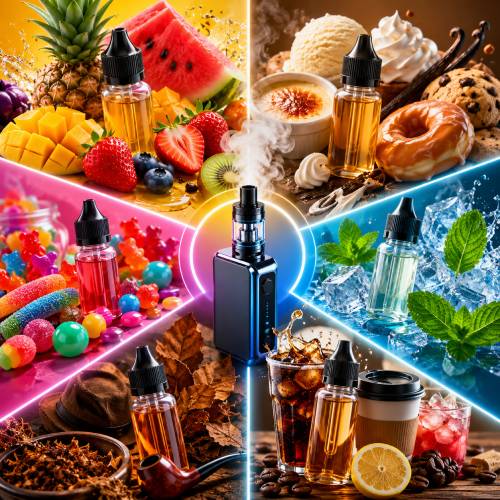
Vape flavors fall into six main categories: fruit, dessert, menthol/mint, beverage, tobacco, and candy.
Nicotine strength matters a lot; starting at the wrong level can tank your whole vaping experience.
Your PG/VG ratio should match your device type, not just your flavor preference.
Buy small bottles first. Always. Until you know you love something.
Proper storage keeps your juice tasting fresh and extends its shelf life up to two years.
Your flavor preferences will evolve, and that’s completely normal and honestly kind of fun.
Walking into a vape shop for the first time can feel like landing on another planet. Rows of colorful bottles, numbers you don’t recognize, and names like “Blue Razz Lemonade Ice” staring back at you while you’re just trying to figure out what to grab. This beginner’s guide to understanding vape flavors exists for exactly that moment. Stick with it and you’ll leave knowing exactly what to look for, what to avoid, and how to find flavors you’ll genuinely want to come back to.
Quick Answer: The best starting point for vape flavor beginners is a simple fruit flavor at a nicotine strength that matches your previous smoking habits, paired with a 50/50 PG/VG ratio in a basic pod system or starter kit.
The Six Flavor Categories Every Beginner Needs to Know
Before you can make smart choices, you need a mental map of what’s actually out there. Vape juice flavors sort themselves into six broad categories, and honestly once you know them, the whole wall of options starts to make a lot more sense.
Flavor Category
What It Tastes Like
Best For
Fruit
Strawberry, mango, watermelon, tropical blends
Beginners, all-day vaping
Dessert
Vanilla custard, glazed donut, cream pie
Sweet tooth vapers, evening use
Menthol / Mint
Cool, icy, refreshing
Former menthol smokers, palate cleansing
Beverage
Coffee, cola, lemonade, energy drink
Flavor chasers, morning routines
Tobacco
Earthy, nutty, classic smoke-adjacent
Former cigarette smokers transitioning
Candy
Gummy bears, sour belts, bubblegum
Nostalgic vapers, occasional treat
Fruit flavors are the most popular category by a wide margin, and for good reason. They’re familiar, they’re approachable, and most brands execute them well. If you have zero idea where to start, start there. Something like a banana vape juice is actually a perfect first-timer pick; it’s smooth, slightly creamy, and not aggressively sweet. It doesn’t try to do too much, which means it’s easy to enjoy even when your palate is still adjusting to vapor. Tobacco flavors are worth mentioning separately because a lot of people assume they’ll want them when switching from cigarettes. Sometimes that’s true, sometimes it isn’t. Many former smokers find they actually prefer fruit or menthol because they’re not trying to recreate the experience, they’re trying to replace it with something better. Keep an open mind.
Nicotine Strength: Getting This Right Changes Everything
Nicotine strength is measured in milligrams per milliliter, written as mg/mL on the bottle. The most common options you’ll see are 0mg, 3mg, 6mg, 12mg, 18mg, and sometimes 50mg in nicotine salt formulations. Choosing wrong here makes everything else feel off, so let’s sort it out.
Freebase Nicotine
Ranges from 0mg to 18mg typically
Stronger throat hit at higher levels
Works best in sub-ohm and box mod setups
3mg or 6mg for cloud chasers
12mg to 18mg for moderate smokers transitioning
Nicotine Salts
Usually 25mg to 50mg
Much smoother throat hit despite high nicotine
Designed specifically for pod systems
Satisfies cravings faster
Great for heavy smokers making the switch
The two most common beginner mistakes with nicotine are going too low and wondering why vaping doesn’t feel satisfying, or going too high and getting a harsh hit or feeling dizzy. Neither is dangerous in the long run, but both make for a rough first impression. If you smoked a pack a day, don’t start at 3mg freebase. If you smoked casually or lightly, 50mg nic salts are gonna feel like way too much. Nic salts deserve a specific callout here because they’ve completely changed how beginners get started. The smoother delivery at higher concentrations means you get the nicotine hit you need without the harshness that used to come with high-strength freebase juice. Most pod systems are designed around nic salts now, which is why they’ve become the default recommendation for new vapers.
PG/VG Ratios and Why Your Device Actually Cares
Every bottle of e-liquid has a PG/VG ratio on the label, usually something like 50/50, 70/30, or MAX VG. These two ingredients, propylene glycol and vegetable glycerin, are the base of every vape juice, and they behave very differently from each other.
What PG Does
Propylene glycol is thin, almost watery. It carries flavor compounds really well, which means higher PG juices tend to taste more accurate and vivid. It also creates a noticeable throat hit, that slight sensation when you inhale that mimics the feel of a cigarette draw. Lower vapor production, stronger flavor, more throat sensation. Works best in lower-powered devices.
What VG Does
Vegetable glycerin is thick and slightly sweet on its own. It produces the big, dense clouds you see in vaping videos, and it creates a much smoother inhale with almost no throat hit. Higher VG juices are the go-to for sub-ohm tanks and direct-lung vaping setups. The flavor can sometimes feel a little muted compared to high-PG versions, but the smoothness and cloud production make up for it depending on what you’re after.
For beginners using pod systems or starter kits, a 50/50 ratio is the sweet spot. It gives you decent flavor, manageable vapor, and works with the coils in most entry-level devices without gunking them up or running dry. Once you start experimenting with larger tanks and more powerful mods, you’ll naturally gravitate toward higher VG options.
A Spotlight on Banana Flavors: A Beginner’s Best Friend
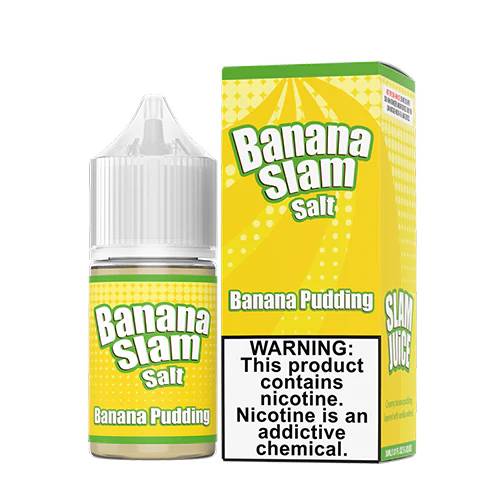
Banana is one of those flavor profiles that works across almost every category. You’ll find it as a standalone fruit juice, blended into tropical mixes, used as a base in dessert flavors, and even paired with menthol for something cool and creamy. It’s genuinely versatile, which is part of why it keeps showing up on best-of lists for beginner vapers. Personally, banana-forward juices hit a sweet spot (no pun intended) between subtlety and flavor impact. They’re not overpowering the way some candy-style profiles can be, but they’re also not so muted that you feel like you’re vaping nothing. A well-made banana vape juice has this slightly ripe, almost creamy quality that’s just really easy to enjoy for extended sessions without flavor fatigue. One specific option worth knowing about is Banana Slam Salt by Slam Juice. It’s a nic salt formulation, so it’s built for pod systems, and the flavor leans into that smooth, ripe banana character without going candy-sweet or fake-tasting. For beginners who want something approachable that won’t feel like a gamble, this is a solid first pick. It delivers on what the name promises without any weird aftertaste or artificial quality that cheaper banana juices sometimes have.
How to Sample Without Wasting Money
This is where a lot of beginners burn through cash unnecessarily. You see a juice with an amazing name, buy the 100mL bottle, and then discover you can’t stand it. Happens to almost everyone at least once, but there are ways to minimize it.
Use the tester bar at your local shop. Most brick-and-mortar vape shops have samplers available. Try before you buy whenever possible. Your taste buds on a live sample beat any description on a label.
Start with small bottles. 30mL is a reasonable test size. Some brands sell 15mL or even 10mL options. Pay the slightly higher price-per-mL to avoid commitment on something unproven.
Read descriptive reviews, not just star ratings. A five-star review that says “tastes just like a real banana” tells you something. “Great juice, love it!” tells you nothing useful.
Join vaping communities online. Reddit communities and vaping forums are full of people who have tried thousands of juices and are genuinely happy to share recommendations and warnings. Their collective knowledge is more useful than any store recommendation.
Give a new flavor a real chance. Your palate needs some adjustment time with vapor. A juice that seems off on day one sometimes becomes your all-day vape by day three. Don’t write things off after one puff.
Storing Your Juice the Right Way
E-liquid has a shelf life of about one to two years when stored correctly. Store it badly and that window shrinks fast, along with the flavor quality. A few simple habits here make a real difference.
Do This
Store bottles in a cool, dark drawer or cabinet
Keep lids sealed tight between uses
Keep away from heat sources and radiators
Store upright to prevent leaking
Label opened bottles with the date if you have multiples
Avoid This
Leaving bottles in direct sunlight (UV breaks down flavor)
Continuing to use juice that smells off or has gone very dark
You’ll also want to clean your tank regularly, especially when switching between flavor families. Fruit residue left in a tank can muddy a dessert flavor pretty badly. A quick rinse with warm water and a dry-out period before filling with something new keeps your flavors tasting like they’re supposed to. This is one of those small things that makes a noticeable difference once you start doing it consistently.
Developing Your Personal Flavor Identity
After you’ve been vaping for a few weeks or months, you’ll start to notice patterns in what you actually reach for. Some people settle into two or three favorites and stick with them indefinitely. Others become flat-out flavor obsessives who are always hunting something new. Both approaches work fine. A common pattern that a lot of vapers land on without really planning it is the three-juice rotation: an all-day vape that’s subtle enough to enjoy constantly without getting tired of it, a dessert or sweet flavor for evening sessions, and a menthol or mint for palate cleansing between the other two. It sounds overly organized but it genuinely happens naturally once you’ve got a few bottles on your shelf. Seasonal preferences are real too. Refreshing fruit and tropical flavors tend to dominate in summer; warmer, richer dessert and bakery flavors often feel more satisfying in cooler months. There’s no rule about it, just something you notice when you’ve been vaping long enough. Pay attention to what you reach for and you’ll figure out your own patterns pretty quickly.
Common Beginner Mistakes Worth Skipping
Buying the biggest bottle available of a flavor you’ve never tried. Start small, always.
Ignoring device compatibility when choosing PG/VG ratio. A high-VG juice in a pod system designed for 50/50 will burn coils fast.
Choosing nicotine strength based on what a friend uses. Nicotine needs are personal and vary by prior smoking habits and device type.
Switching flavors too often without giving each one a fair shot. Your palate changes with time. Some flavors need a few sessions to click.
Letting juice sit in a hot car or windowsill. Heat and UV kill flavor compounds faster than almost anything else.
Chasing clouds before mastering basics. Start with a simple setup. You can always upgrade once you know what you actually like.
The Beginner’s Guide to Understanding Vape Flavors: Where to Go From Here
The beginner’s guide to understanding vape flavors is really just a starting point. The actual learning happens when you start trying things and paying attention to what you like. Flavor is subjective; nobody can tell you what’s going to taste right to you. What this guide can do is give you the framework to make smarter choices, waste less money, and avoid the frustration that comes with picking the wrong nicotine level or storing juice improperly. Start with a fruit flavor in a nic salt formulation if you’re coming from cigarettes. Grab a small bottle. Use a basic pod system. Give it a real chance over a few days before deciding whether it works for you. From there, the whole world of vape juice categories, VG/PG ratios, and flavor profiles opens up naturally. The more you explore, the more confident your choices become, and that’s really the point. You’re building a personalized experience here, and that takes a little time but pays off in a way that one-size-fits-all tobacco cigarettes never really could.
Starting your own zero nicotine vape shop is one of those business ideas that sounds niche at first, but once you look at the numbers, it starts to make a whole lot of sense. The demand for nicotine-free vaping products has been climbing steadily, and customers who want the experience of vaping without the addiction are actively searching for shops that actually cater to them. If you’ve been thinking about launching your own zero nicotine vape shop, this guide walks you through every major step, from legal groundwork to stocking your shelves with the right products.
Key Takeaways
The zero nicotine vape market is a growing niche with real, underserved demand.
You’ll need a solid business plan, proper licensing, and a reliable supplier before opening.
Choosing the right products, especially high-quality disposables, can set your shop apart from the competition.
Online and brick-and-mortar are both viable paths; many owners start online to reduce overhead.
Compliance with local, state, and federal vaping regulations is non-negotiable from day one.
Marketing to wellness-minded customers requires a different tone than traditional vape marketing.
Quick Answer: To start your own zero nicotine vape shop, you’ll need to register your business, obtain the required retail licenses for tobacco/vaping products in your state, find a quality supplier of nicotine-free vapes, set up your storefront (online or physical), and build a customer base through targeted marketing. Budget anywhere from $5,000 to $30,000+ depending on whether you’re going online-only or opening a physical location.
Why Zero Nicotine? The Opportunity Most Shops Are Missing
Here’s something that surprises alot of people getting into the vape industry: the nicotine-free segment is one of the fastest-growing corners of the whole market. Most vape shops are still laser-focused on nicotine products, which means anyone offering a clean, well-curated selection of zero nicotine options has a real shot at standing out.
Who’s actually buying these products? It’s a pretty diverse crowd. You’ve got former smokers who kicked nicotine but still enjoy the ritual of vaping. You’ve got social vapers who want to participate without getting hooked. There are people using zero nic vapes as a step-down tool while quitting. And there’s a whole wellness-adjacent audience that likes flavored vapor without any substance dependency attached to it.
Personally, I think the wellness angle is massively underutilized. A zero nicotine vape shop positioned as a lifestyle brand, rather than just another vape store, has enormous potential, especially with younger adults who are hyper-aware of what they’re putting in their bodies.
Step 1: Write a Real Business Plan
Before you spend a single dollar, you need a business plan. Not a 40-page document that collects digital dust, but something practical that forces you to answer real questions about your business model. At minimum, your plan should cover:
Business structure: Will you be a sole proprietor, LLC, or corporation? Most small vape shop owners go with an LLC for liability protection.
Target market: Who are your customers? Wellness-focused adults? Ex-smokers? Flavor enthusiasts? Define this clearly.
Sales channel: Online store, physical retail, or both?
Startup budget: Inventory, licensing fees, website or lease, marketing, equipment.
Revenue projections: What do you realistically expect to make in months 1, 6, and 12?
Supplier relationships: Who will you buy from, and what are their minimum order requirements?
A solid business plan also helps if you ever want to secure a small business loan or bring in a partner. Banks and investors want to see that you’ve actually thought this through.
Step 2: Register Your Business and Get Licensed
This is where things get real, and where a lot of would-be entrepreneurs get tripped up. Vaping products, even nicotine-free ones, fall under tobacco retail regulations in many states because the devices themselves are regulated. You need to do your homework here, and in some cases, consult a local attorney or small business advisor.
What licenses and registrations do you typically need?
Business registration with your state (LLC or corporation filing)
EIN (Employer Identification Number) from the IRS, even if you have no employees yet
Sales tax permit for your state
Tobacco/vapor product retail license (varies by state and sometimes by city)
Age verification compliance plan (required for online retailers especially)
Local business license if you’re opening a physical shop
Federal oversight from the FDA applies to vaping products broadly, so stay current on any regulatory changes. At the time of writing, zero nicotine disposable vapes still operate in a somewhat gray regulatory space at the federal level, but that can change. Staying informed is part of the job.
Step 3: Find a Quality Supplier for Zero Nicotine Products
Your supplier relationship is honestly one of the most important decisions you’ll make. The quality of your products is your reputation. If you’re selling junky disposables that leak, taste off, or break after five puffs, customers aren’t coming back and they’re definitely not recommending you.
When vetting suppliers, look for a few things. First, do they specialize in nicotine-free products, or is it just a small section of a bigger catalog? Dedicated suppliers tend to carry better options. Second, what brands are they carrying? Third, do they have lab testing or COAs (certificates of analysis) available? This matters for consumer safety and your own peace of mind.
One resource worth bookmarking is Vape Nicotine Free, which focuses specifically on the zero nicotine category. Having access to a focused supplier like this makes it much easier to curate a product line that actually makes sense for your shop’s brand identity.
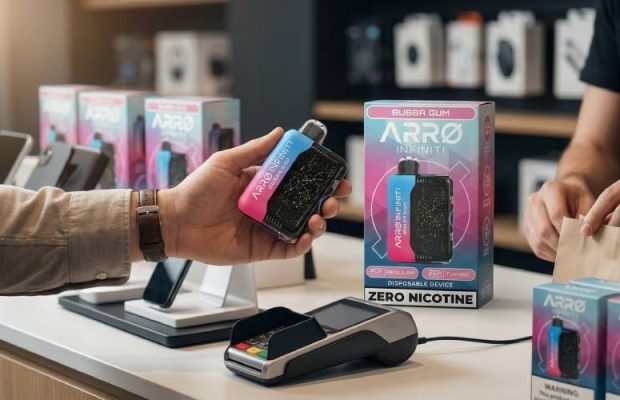
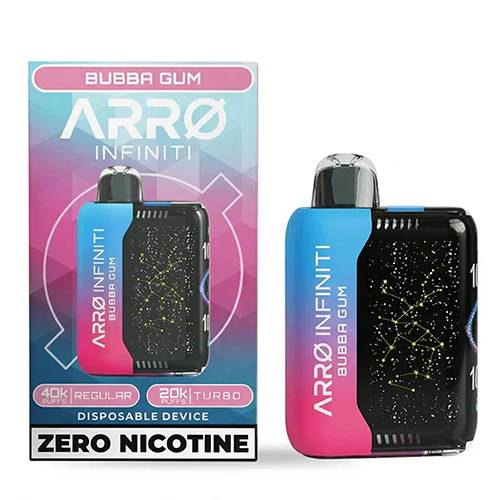
You’ll also want to browse their selection of zero nic disposable vapes to get a feel for what’s out there. The variety in flavors, puff counts, and device designs has grown enormously over the past couple of years. Products like the ARRO Infiniti Bubba Gum 40K ZERO Nicotine Disposable are a good example of how far the category has come; 40,000 puffs, great flavor, zero nicotine. That’s the kind of product that earns repeat customers.
Step 4: Choose Your Sales Channel
One of the first decisions you’ll need to make is whether you’re opening a physical shop, an online store, or both. There’s no single right answer, it really depends on your budget, location, and how you want to operate.
Channel
Startup Cost
Reach
Overhead
Best For
Online Only
$2,000 – $8,000
National/Global
Low
Lean startups, first-time owners
Physical Retail
$15,000 – $50,000+
Local
High
Community-focused brands
Hybrid (Online + Retail)
$20,000 – $60,000+
Both
Highest
Established brands scaling up
For most first-time entrepreneurs, starting online makes a ton of sense. You can test your product selection, build a customer base, and learn what sells before committing to a lease. If you go the online route, you’ll need a reliable e-commerce platform (Shopify is popular in the vape space), age verification software, and a payment processor willing to work with vape retailers (this can be trickier than it sounds; some mainstream processors won’t touch vape products).
Step 5: Build Your Product Lineup
Curating the right products is where you get to have some fun. Your product lineup should reflect your brand and your customer. For a zero nicotine vape shop, that usually means prioritizing flavor variety, device quality, and puff count value.
Categories to consider stocking:
Zero nicotine disposable vapes: The bread and butter of the nicotine-free market. Focus on trusted brands with consistent quality.
High-puff-count devices: Customers love value; devices in the 10,000 to 40,000+ puff range are popular.
Flavor variety: Fruit blends, menthol, dessert flavors, and tropical options tend to perform well.
Refillable pod systems (0mg): For customers who prefer a reusable setup with nicotine-free e-liquid.
Zero nicotine e-liquids: Great add-on for refillable device users.
Start with a focused selection rather than trying to carry everything. Twenty products done really well beats two hundred products done mediocrely. As you learn what your customers actually want, you can expand from there.
Step 6: Set Up Your Online Presence
Whether you’re selling online or in-store, you need a solid digital presence. This means a well-designed website, active social media accounts, and ideally some content (like a blog) that helps customers find you organically.
Your website should clearly communicate who you are, what you sell, and why zero nicotine vaping is worth considering. Don’t make people dig for basic information. Product pages need good photos, accurate descriptions, and clear pricing. If you’re selling online, age verification is mandatory, not optional.
Social media for vape brands comes with restrictions on most platforms, so you’ll need to be creative. Many successful zero nicotine brands lean into wellness and lifestyle content rather than direct product promotion. Think “flavor of the week” posts, user-generated content, and educational content about nicotine-free living.
Step 7: Understand Your Compliance Obligations
Compliance isn’t the exciting part, but skipping it can end your business before it really starts. Here are the main areas to stay on top of:
Age Verification
Even for zero nicotine products, most states require you to verify that customers are 21 or older. Online retailers typically use third-party age verification services at checkout. In-store, you need a clear ID-check policy that your staff follows without exception.
Packaging and Labeling
If you ever create your own branded products or private-label anything, labeling requirements vary by state. At minimum, most jurisdictions require clear identification of what the product is and what it contains (or doesn’t contain, in the case of nicotine-free).
PACT Act (for online sellers)
The Prevent All Cigarette Trafficking Act has implications for online vape retailers, including registration requirements and shipping restrictions. Some carriers won’t ship vaping products at all, so understanding your shipping options upfront is critical.
Step 8: Price Your Products to Be Competitive (and Profitable)
Pricing is more nuanced than just marking everything up 50%. You need to understand your cost of goods, what the market will bear, and where you want to be positioned relative to competitors.
For disposable vapes, retail prices vary significantly by puff count and brand. High-puff-count devices in the 10,000 to 40,000 range typically retail between $15 and $45. Your margin depends on your wholesale cost, and that’s where your supplier relationship really matters. The better your volume and relationship with your supplier, the better your margins tend to be.
Don’t race to the bottom on price. Customers shopping for quality zero nicotine products are often willing to pay a fair price; they’re not always hunting for the cheapest thing out there. Compete on selection, education, and customer service, not just price.
Step 9: Market to the Right Audience
Marketing a zero nicotine vape shop requires a different approach than a standard vape shop. Your customers aren’t necessarily the same crowd. Some are ex-smokers, some are health-conscious adults, some are curious newcomers who’ve never vaped at all. Knowing this shapes everything from your tone of voice to where you advertise.
Marketing channels that tend to work for zero nicotine brands:
Content marketing: Blog posts, buying guides, and product reviews help customers find you through search.
Email marketing: Build your list from day one. Email is one of the few channels with minimal advertising restrictions for vape brands.
Influencer partnerships: Look for micro-influencers in the wellness or lifestyle space, not just vaping channels.
Reddit and niche forums: Zero nicotine communities exist and appreciate genuine engagement.
Local events and markets: If you have a physical shop, community presence builds real loyalty.
Word of mouth is genuinely powerful in this niche. Customers who find a great zero nicotine shop tend to tell their friends, especially friends who are also trying to avoid nicotine. Make every customer interaction count.
Step 10: Launch, Learn, and Adjust
No business launches perfectly. Expect some products to underperform, some marketing channels to flop, and some operational headaches you didn’t anticipate. The entrepreneurs who succeed in this space are the ones who stay curious, track their numbers, and adapt quickly.
Track what sells, what doesn’t, and why. Talk to your customers; their feedback is worth more than any market research report. If a flavor isn’t moving, pull it and try something else. If a particular product is flying off the shelves, make sure you never run out of it.
Building a successful zero nicotine vape shop is genuinely achievable for the right entrepreneur. The market is growing, the competition in this specific niche is still relatively thin, and there’s a real customer base out there who wants what you’re selling. Start smart, stay compliant, stock quality products, and you’ve got a real shot at building something that lasts.
Ready to start building your product lineup? Check out the selection at Vape Nicotine Free to see what top-tier zero nicotine options look like, from everyday disposables to high-puff devices that your customers will keep coming back for.
Starting your own zero nicotine vape shop takes planning, patience, and a willingness to learn the business as you go. But the opportunity is real, and if you’re reading this guide, you’ve already taken the first step. Now it’s time to take the next one.
Frequently Asked Questions
Do I need a special license to sell zero nicotine vapes?
In most states, yes. Even though your products don’t contain nicotine, vaping devices are often regulated under tobacco or vapor product retail laws. You’ll typically need a state-issued tobacco or vapor retail license, a local business license, and a sales tax permit at minimum. Requirements vary by location, so check with your state’s department of revenue or business licensing office before you open.
How much money do I need to start a zero nicotine vape shop?
Starting costs vary widely depending on your sales channel. An online-only store can be launched for as little as $2,000 to $8,000, covering inventory, a website, and initial marketing. A physical retail location will typically require $15,000 to $50,000 or more once you factor in lease deposits, buildout, fixtures, and inventory. Most first-time owners start online to keep overhead low while they build their customer base.
Where can I find a reliable supplier for zero nicotine vaping products?
Look for suppliers that specialize in or have a strong, dedicated selection of nicotine-free vaping products. Dedicated platforms like Vape Nicotine Free are a good starting point because they focus specifically on this category. When evaluating any supplier, ask about minimum order quantities, product testing documentation, return policies, and shipping timelines before committing.
Can I sell zero nicotine vapes online, and are there shipping restrictions?
Yes, you can sell zero nicotine vapes online, but shipping is more complicated than standard retail. The PACT Act places registration and reporting requirements on online vape retailers, and many major carriers like USPS, UPS, and FedEx have restrictions or outright bans on shipping vaping products. You’ll likely need to work with specialized carriers and comply with age verification requirements at checkout. Research your shipping options before you build your business model around online sales.
What types of zero nicotine vaping products sell best in a retail setting?
Disposable zero nicotine vapes with high puff counts tend to be the strongest sellers because they offer great value and convenience with no setup required. Fruit and tropical flavors consistently outperform others in the nicotine-free category. Devices in the 10,000 to 40,000+ puff range, like the ARRO Infiniti Bubba Gum 40K ZERO Nicotine Disposable, have become popular because customers see the long-term value. Zero nicotine e-liquids for refillable systems are also a strong add-on category worth stocking.
Walking into a vape shop for the first time is honestly a little overwhelming. There are hundreds of bottles staring back at you, each one promising something amazing, and you have no idea where to start. Choosing the right vape juice doesn’t have to be that complicated though, and once you understand a few key things, it actually becomes pretty fun. This guide breaks it all down in plain English so you can skip the guesswork and actually enjoy the process.
Key Takeaways
Vape juice is made from four core ingredients: PG, VG, nicotine, and flavorings.
Your device type determines which PG/VG ratio you should use.
Nicotine strength should match your personal needs and the type of device you’re using.
Flavor is subjective, so don’t be afraid to experiment with small bottle sizes first.
Proper storage extends the life and taste quality of your e-liquid.
Buying from reputable brands makes a real difference in your overall experience.
Quick Answer: Choosing the right vape juice comes down to three things: matching your PG/VG ratio to your device, picking a nicotine strength that fits your habits, and experimenting with flavor categories until you find what you love. Start small, stay curious, and don’t stress it.
What’s Actually In Vape Juice?
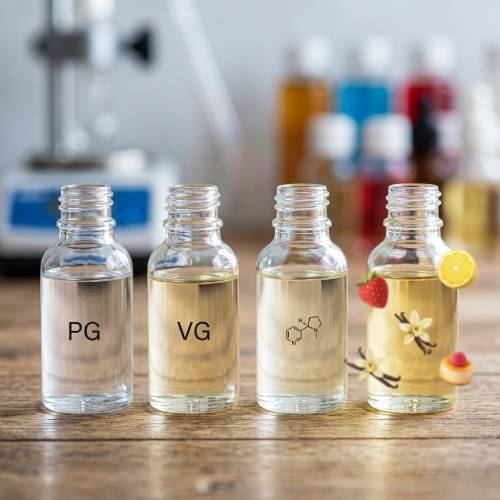
Before you can start picking flavors, it helps to know what you’re actually vaping. E-liquid, also called vape juice or e-juice, is made from four main ingredients. Understanding each one helps you make smarter choices right from the start.
Propylene Glycol (PG)
PG is a thin, odorless liquid that carries flavor really well. It’s also responsible for that throat hit that smokers tend to crave when they switch to vaping. Higher PG blends produce less vapor but deliver a more intense flavor and feel closer to smoking a traditional cigarette. If you’re coming from cigarettes, a higher PG ratio might feel more familiar at first.
Vegetable Glycerin (VG)
VG is thicker and slightly sweet on its own. It’s what creates those big, billowy clouds you see in vaping videos. Higher VG liquids are smoother on the throat, which makes them popular with people who want a gentler vaping experience. Sub-ohm devices and direct-to-lung setups are designed specifically for high-VG liquids, usually 70% VG or more.
Nicotine
Nicotine is measured in milligrams per milliliter (mg/mL). Common strengths range from 0mg all the way up to 50mg in nicotine salt formulations. More on salts in a minute. The key is to match your nicotine level to your actual habits, not to guess. Too high and you’ll feel dizzy or nauseous. Too low and you won’t feel satisfied and may end up vaping more than you need to.
Flavorings
Food-grade flavorings are what make vaping so much more interesting than smoking. From simple single-note fruits to layered dessert blends, the variety is honestly staggering. Quality matters here too. Reputable brands use high-grade, tested flavorings while cheaper off-brand juices sometimes cut corners in ways you can taste and smell.
Understanding PG/VG Ratios: A Simple Breakdown
Ratio
Best For
Vapor Production
Throat Hit
50/50 (PG/VG)
Beginner devices, pod systems
Moderate
Medium
70/30 (VG/PG)
Sub-ohm tanks, cloud chasers
High
Smooth
80/20 (VG/PG)
Advanced sub-ohm setups
Very High
Very Smooth
High PG (60%+)
MTL devices, former smokers
Low
Strong
A 50/50 blend is where most beginners should start. It works in almost any device, delivers decent flavor, and gives you a respectable throat hit without being harsh. Once you figure out what you like, you can start adjusting from there.
How to Pick the Right Nicotine Strength
This is honestly one of the most important decisions you’ll make when choosing the right vape juice. Get it wrong and the experience suffers. Here’s a simple way to think about it based on your smoking history, if you have one.
Non-smoker or very light smoker: 0mg to 3mg nicotine
Light smoker (under half a pack/day): 3mg to 6mg
Moderate smoker (about a pack/day): 6mg to 12mg
Heavy smoker (more than a pack/day): 12mg to 18mg freebase, or 25mg to 50mg nicotine salts
Nicotine salts deserve a special mention here. Salt nic liquids use a different form of nicotine that absorbs faster and feels smoother at higher concentrations. They’re specifically designed for low-wattage pod devices. If you’ve tried vaping before and felt like regular juice wasn’t hitting the spot, salt nic might be what you were missing. Just don’t use salt nic in a high-powered sub-ohm device or you’ll seriously overdo the nicotine intake.
Choosing a Flavor Profile: Where Do You Even Start?
Flavor is where vaping gets genuinely fun. There are thousands of options out there, but they mostly fall into a handful of categories. Knowing which category you’re drawn to makes narrowing things down alot easier.
Tobacco Flavors
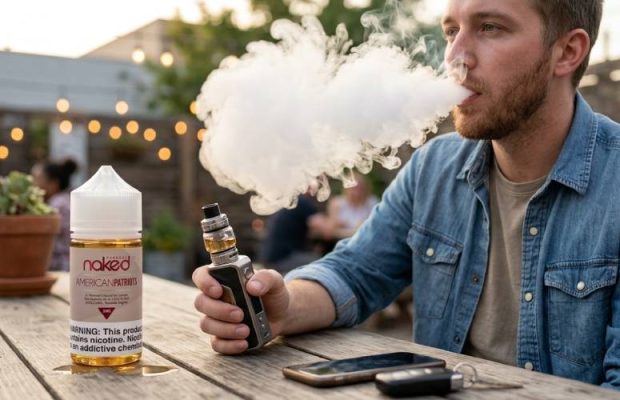
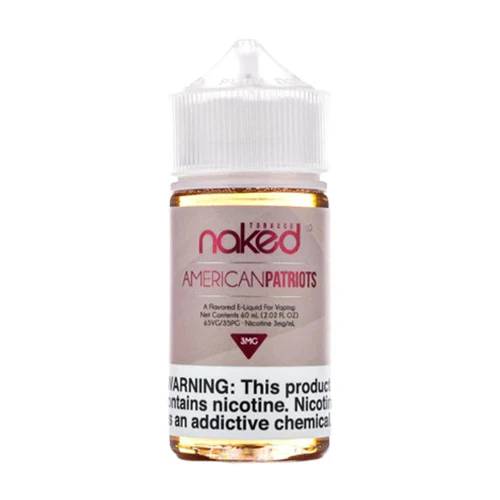
If you’re switching from cigarettes, starting with a tobacco-flavored e-liquid can make the transition smoother. These range from plain, earthy tobacco to blends that mimic specific cigarette brands. One solid option worth checking out is Naked 100 American Patriots Vape Juice, which delivers a clean, American tobacco flavor that doesn’t taste artificial or harsh. Personally, I think it’s one of the better tobacco options on the market for people who want something familiar but not overpowering.
Menthol & Mint
Menthol and mint flavors are consistently popular, especially with former menthol cigarette smokers. They’re cooling, refreshing, and pair well with other flavor profiles. You’ll find straight menthol, spearmint, peppermint, and blends that mix menthol with fruit or tobacco. These are great everyday vapes because they don’t get tiring as quickly as heavier flavors.
Fruit Flavors
Fruit is probably the most popular category overall. Strawberry, watermelon, mango, peach, blueberry, you name it, someone’s made it. There are also complex tropical blends that layer multiple fruits together in ways that taste surprisingly realistic. Fruit flavors tend to be crowd pleasers and work well for beginners because they’re approachable and easy to enjoy without an acquired taste.
Dessert & Bakery
Dessert vapes are rich, sweet, and satisfying. Think vanilla custard, caramel drizzle, cinnamon roll, or strawberry cheesecake. These are heavier flavors that some people absolutely love as an all-day vape while others find them too sweet after a while. If you’ve got a sweet tooth, this category is worth exploring. Start with something simple like a plain vanilla or plain caramel before going for the layered stuff.
Beverage flavors, candy profiles, and even savory options exist too if you’re feeling adventurous. The point is, there’s no wrong answer here. Buy small bottles, try things out, and keep notes on what you like and what you don’t. That’s genuinely the best strategy.
Matching Your Vape Juice to Your Device
This part trips up a lot of beginners. Not every juice works in every device, and using the wrong one can ruin the experience pretty fast. Here’s the short version.
Pod systems and MTL (mouth-to-lung) devices: Use 50/50 or higher-PG liquids. Salt nic works great here too.
Sub-ohm tanks and DTL (direct-to-lung) devices: Stick to high-VG liquids, 70% VG or higher. Use lower nicotine, like 3mg to 6mg freebase.
Basic starter kits: Most come with recommendations in the manual. When in doubt, 50/50 is your safest bet.
Using a thick, high-VG juice in a pod system often results in dry hits and burnt coils because the device can’t pull the liquid through fast enough. On the flip side, using a high-PG liquid in a sub-ohm tank usually causes harsh, scratchy throat hits that nobody wants. Match the juice to the device and your experience improves immediately.
How to Pick a Brand You Can Actually Trust
The vape juice market has alot of options but quality varies wildly. Some brands use premium ingredients, third-party lab testing, and consistent manufacturing processes. Others cut corners and it shows in the flavor, the throat hit, and how quickly it gunks up your coils. When you’re first starting out, stick to established brands with solid reputations. Reading up on the best vape juice brands is a smart move because it gives you a curated starting point instead of having to trial-and-error your way through hundreds of random options. Look for brands that list their ingredients, have clear manufacturing standards, and have decent reviews from real users, not just promotional fluff.
A good rule of thumb: if a bottle doesn’t list its ingredients or the price seems suspiciously low, skip it. Quality e-liquid isn’t expensive, but it’s not dirt cheap either. You’re putting this stuff in your lungs, so it’s worth spending a few extra dollars on something you can trust.
Storing Your Vape Juice the Right Way
Proper storage is something most beginners don’t think about until they take a hit off a juice that’s gone bad. It’s not a huge deal but it is worth knowing.
Keep bottles in a cool, dark place away from direct sunlight and heat.
Always tighten the cap after use to minimize air exposure.
Most e-liquids last 1 to 2 years when stored correctly.
Color changes are normal due to oxidation but extreme darkening with off-flavors means it’s time to toss it.
Shake your bottle before filling your tank, especially with thicker or dessert-style liquids.
UV light and heat degrade both the nicotine and the flavorings over time. That’s why reputable brands often bottle their juices in dark or opaque containers. A kitchen drawer or a small storage box works perfectly for keeping things fresh.
Mistakes Beginners Make (And How to Skip Them)
There’s a pretty predictable set of mistakes that new vapers make. Knowing them ahead of time saves you a lot of frustration.
Going too high on nicotine right away
It’s tempting to grab the highest nicotine available thinking it’ll feel more satisfying. Sometimes it does, but often it just makes you feel dizzy and nauseous. Start conservative and adjust up if needed. It’s much easier to go higher than to deal with nic sickness.
Buying one flavor and sticking to it forever
Vaper’s tongue is real. It happens when you vape the same flavor so often that your taste buds basically stop registering it. Rotating between 2 or 3 flavors keeps things fresh and prevents that flat, muted taste experience. It’s a simple fix that makes a huge difference.
Chain vaping right out of the gate
Taking puff after puff without breaks overheats your coil and can make you feel pretty awful, especially if you’re still figuring out your nicotine tolerance. Pace yourself. Vaping isn’t meant to be a constant activity.
Skipping the coil prime
When you fill a new tank or install a fresh coil, always let the juice saturate for a few minutes before you start vaping. Skipping this step causes dry hits and burnt coils, which taste awful and can cut the coil’s lifespan significantly.
Buying whatever is cheapest
Budget shopping makes sense in a lot of areas of life. Vape juice isn’t really one of them, especially when you’re new. Cheap, unknown brands can use lower-grade ingredients that affect flavor and performance. Spend a little more on a trusted name early on and you’ll have a much better baseline experience to compare everything else against.
A Few Final Thoughts on Choosing the Right Vape Juice
Choosing the right vape juice is genuinely one of the most personal parts of getting into vaping. There’s no universal answer because everyone’s tastes, nicotine needs, and devices are different. What works great for your friend might do nothing for you, and that’s completely fine. The real key is to stay curious, buy small bottles when you’re trying new things, match your juice to your device, and don’t skimp on brand quality. Give yourself a few weeks to experiment before settling on your go-to liquids. Most people find their sweet spot faster than they expect once they stop overthinking it. The vaping community is one of the more helpful ones out there. Most experienced vapers genuinely enjoy pointing beginners in the right direction, so don’t hesitate to ask questions at your local shop or in online forums. You’re not gonna figure it all out in one purchase, and that’s kind of the point. Enjoy the process of finding what you love.
Frequently Asked Questions
What vape juice should I start with as a complete beginner?
A 50/50 PG/VG blend is the safest starting point for most beginners because it works in nearly every device and delivers a balanced experience. Pair it with a moderate nicotine strength based on your smoking history, and start with a fruit or tobacco flavor since those tend to be the most approachable. Buy a small 30ml bottle so you’re not locked in if you don’t love it.
How do I know what nicotine strength to buy?
Your nicotine strength should reflect how much you currently smoke or used to smoke. Light or non-smokers typically do well at 3mg or less, while heavy smokers often need 12mg or higher in freebase nicotine, or 25mg to 50mg in nicotine salt form. Starting too high causes nausea and dizziness, so when in doubt, go one level lower than you think you need and adjust from there.
Can I use any vape juice in any device?
No, and this is a mistake that trips up a lot of beginners. Pod systems and mouth-to-lung devices work best with higher-PG or 50/50 liquids, while sub-ohm tanks need high-VG juice at 70% or more. Using the wrong ratio for your device leads to burnt coils, dry hits, or an uncomfortably harsh throat hit. Always check your device’s recommendations before buying juice.
Why does my vape juice taste muted or flat?
This is most likely vaper’s tongue, which happens when you vape the same flavor repeatedly until your taste buds stop registering it properly. The fix is simple: rotate between two or three different flavors throughout the week. It also helps to stay hydrated and occasionally take a break from vaping for a few hours to reset your palate.
How long does vape juice last before it goes bad?
Most e-liquids have a shelf life of one to two years when stored correctly in a cool, dark place with the cap sealed tight. Exposure to heat, sunlight, and air speeds up degradation and causes the nicotine to oxidize, which results in a darker color and a peppery aftertaste. If your juice smells off or tastes noticeably worse than it used to, it’s time to replace it.
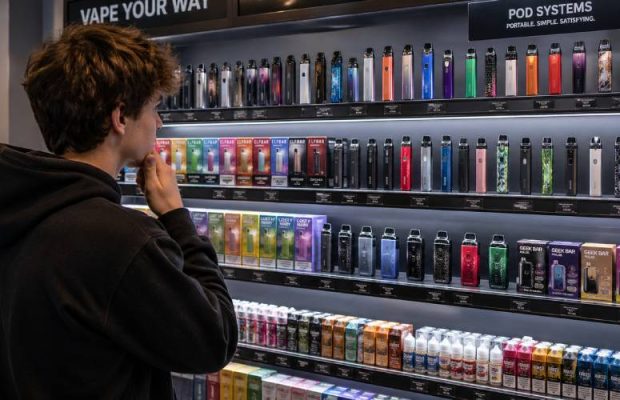
If you’ve ever stood in a vape shop staring at a wall of devices with absolutely no idea where to start, you’re not alone. Choosing your first (or next) vape device can feel like picking a phone plan — too many options, too much jargon, and a real fear of making the wrong call. The good news? Once you understand a few basics, the right choice becomes a whole lot clearer. This guide breaks it all down in plain language so you can walk away confident.
Quick Answer: The best vape device for you depends on your experience level, preferred inhale style, and daily habits. Beginners usually do well with a pod system or starter kit. More experienced vapers often prefer box mods or advanced pod mods with adjustable wattage and airflow. Read on for a full breakdown.
Key Takeaways
Pod systems are ideal for beginners and anyone transitioning from cigarettes
Box mods give experienced vapers control over wattage, temperature, and airflow
Battery life, coil availability, and e-liquid capacity all affect long-term satisfaction
Mouth-to-lung (MTL) vaping mimics smoking; direct-lung (DL) produces more vapor
Long-term costs matter more than the sticker price of the device itself
Trusted brands include Voopoo, Vaporesso, Geekvape, and Uwell
If you travel, know the rules around flying with your device before you pack it
Understanding the Main Types of Vape Devices
The vaping market has genuinely exploded over the past few years, and devices now fall into some pretty distinct categories. Knowing which one fits your lifestyle before you buy is the difference between loving your setup and letting it collect dust in a drawer.
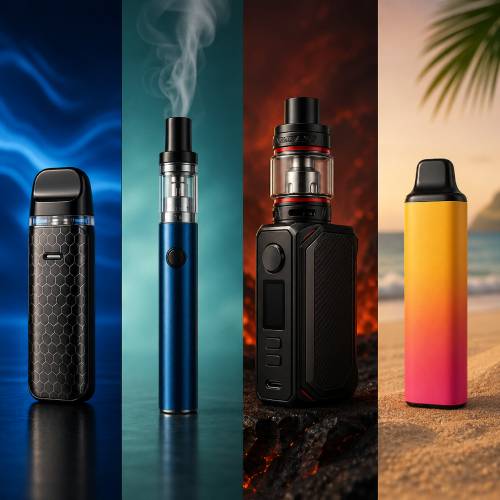
Device Type
Best For
Typical Battery
Nicotine Strength
Pod System
Beginners, ex-smokers
400–800mAh
High (nic salts)
Vape Pen
Intermediate users
650–1100mAh
Medium to high
Box Mod
Experienced vapers
2000–5000mAh
Low (freebase)
Disposable Vape
Occasional or travel use
Built-in, non-rechargeable
High (nic salts)
Pod systems like the SMOK Novo Master And Pro Starter Kit are compact, easy to use, and deliver a mouth-to-lung draw that closely mimics the sensation of smoking a cigarette. Honestly, for anyone just making the switch, these are usually the smartest starting point. Vape pens sit comfortably in the middle ground — a bit more power, a bit more customization, still totally portable. Box mods are the heavy hitters; they give you full control over wattage, temperature, and coil type, but they come with a learning curve. And then there are disposables, which are great for convenience but not a long-term solution money-wise or environmentally.
Key Features to Consider Before Buying Your Next Vape Device
Not all specs are created equal. Some features sound impressive on paper but rarely matter in daily use. Others get overlooked completely and end up being the difference between a great vape and a frustrating one. Here’s what actually matters.
Battery Life
Battery life is probably the single most underestimated spec when people are shopping. If you’re a heavy vaper, a pod system with a 500mAh battery is gonna leave you hunting for a charger by noon. For light to moderate use, 800–1200mAh gets most people through the day. If you want true all-day power without stress, look at box mods with 2000mAh or higher, or devices that take replaceable 18650 batteries so you can just swap in a fresh one.
Coil Compatibility and Availability
This one trips up a lot of new vapers. You can love your device and then find out the replacement coils are $25 for a pack of three and your local shop stopped stocking them. Stick with devices that use coils from well-known brands and that are widely available online and in stores. Proprietary coil systems can become a real headache over time, especially if the manufacturer updates the product line or discontinues the model.
E-Liquid Capacity
Pod systems usually hold around 2–4ml of e-liquid. Sub-ohm tank setups on box mods can hold 5–8ml or more. This might not sound like a big deal, but if you vape heavily, refilling a small pod system multiple times a day gets old fast. On the flip side, a bigger tank means more device bulk to carry around.
Airflow and Draw Style
Adjustable airflow is something I genuinely think is underrated. Being able to dial in exactly how tight or airy your draw feels makes a massive difference, especially as your preferences evolve. Look for devices that offer at least some airflow control rather than a fully fixed draw.
Build Quality and Charging
Zinc alloy construction outlasts plastic housings. Period. Spending an extra $15–20 upfront on a better-built device almost always pays off. Also check the charging port: USB-C is becoming the standard and is what you want. Micro-USB is older tech and far less convenient in 2026 when everything else in your life charges via USB-C.
Matching Device Style to How You Actually Vape
Your inhale style matters more than most people realize going in. There are three main styles, and each one calls for a different kind of setup.
Mouth-to-Lung (MTL): Draw vapor into your mouth first, then inhale to the lungs. Closest to smoking. Best with high-resistance coils (above 1.0 ohm), lower wattage, and nicotine salt e-liquids.
Direct-Lung (DL): Inhale vapor straight into the lungs in one motion. Creates bigger clouds and more intense flavor. Requires sub-ohm coils (below 1.0 ohm), higher wattage, and low-nicotine freebase e-liquid.
Restricted Direct-Lung (RDL): A middle ground between MTL and DL. Slightly restricted but still a substantial inhale. Great for vapers who want more vapor than MTL but don’t want to go full sub-ohm.
If you’re coming from cigarettes, start with MTL. It’s the most familiar sensation and nicotine salts in a pod system deliver nicotine efficiently enough that you’re not gonna feel like you’re missing out. People who’ve been vaping a while and want more flavor intensity or bigger clouds usually end up gravitating toward RDL or DL setups as their palate and preferences develop.
Also think about where you vape most. A sleek pod system blends into public settings without drawing attention. A box mod with a sub-ohm tank pumping massive clouds? Probably better saved for home or vape-friendly spots.
Budget: What the Device Costs vs. What Vaping Will Actually Cost You
The sticker price on the device is almost never the whole picture. A $25 pod system looks cheap until you factor in $15–20 every week or two on replacement pods. A $60–80 box mod with a rebuildable atomizer might cost you $10 a month in cotton and wire once you know what you’re doing. Disposable vapes are the most expensive per-puff option on the market despite looking affordable upfront.
Device Type
Upfront Cost
Est. Monthly Running Cost
E-Liquid Use Per Day
Pod System
$20–$50
$30–$60 (pods + liquid)
2–4ml
Vape Pen
$25–$60
$25–$50
3–6ml
Box Mod + Tank
$50–$120
$20–$45
8–15ml
Disposable
$10–$25
$80–$150+
Varies
That e-liquid consumption difference is significant. A pod system user and a box mod user can spend drastically different amounts monthly even if they vape with similar frequency, just because of how much vapor each device produces per puff. Sub-ohm setups vaporize more e-liquid per hit, which means more flavor and vapor, but also more e-liquid purchased per week.
Stick with established brands: Voopoo, Vaporesso, Geekvape, and Uwell consistently deliver reliable builds, available replacement parts, and decent warranty support. Budget no-name devices from random sellers can work fine, but when something goes wrong, you’re usually on your own.
One more thing worth factoring in if you travel regularly: knowing the rules around can you fly with a vape is actually really important before you pack. The 2025 TSA Vape Travel Guide covers exactly what you can and can’t bring on a plane, and it’s worth a read before your next trip to avoid any airport headaches.
Essential Accessories to Pick Up When You Buy Your Device
No vape setup is complete with just the device itself. A few smart accessory purchases upfront can save you a lot of frustration later.
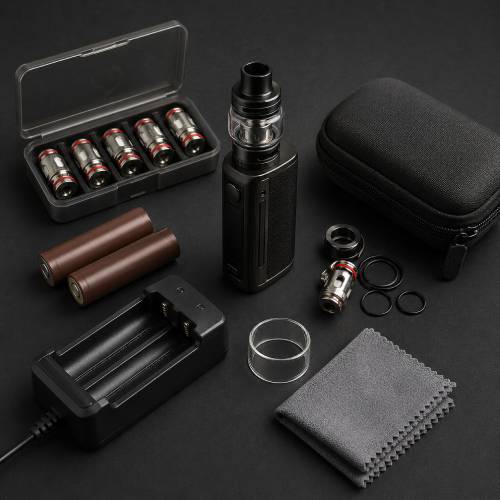
Spare coils or pods: Always buy a 3–5 pack when you get a new device. Running out of coils at 10pm on a Sunday is not fun.
Quality battery charger: For devices with removable 18650 batteries, a dedicated external charger is safer and extends battery life versus relying solely on USB charging.
Extra batteries: Swapping a dead battery for a charged one takes seconds. Waiting for a charge takes an hour.
Replacement glass: Tank glass cracks. It’s not a matter of if, it’s when. Having a spare section on hand is just good planning.
Carrying case: Protects the device and contains any leaks during transport, especially if you toss it in a bag.
Microfiber cloth: E-liquid residue and fingerprints build up fast. A cloth keeps things clean and maintains device appearance.
If you’re moving toward rebuildable atomizers down the road, you’ll eventually want cotton, wire, and an ohm reader. But honestly, don’t worry about that stuff yet if you’re newer to vaping. Learn your device first, get comfortable with basic maintenance, then level up when you’re ready.
Top Vape Devices Worth Looking At in 2026
Rather than listing every device on the market, here are some categories worth paying attention to right now.
Best for Beginners: Pod Systems Under $50
The Vaporesso XROS series remains one of the most consistently recommended options for newcomers. The draw is smooth, the pods last a reasonable amount of time, and the device is small enough to forget you’re carrying it. The Voopoo Argus Pod is another solid pick with slightly more airflow flexibility. Both use widely available replacement pods and charge via USB-C.
Best Mid-Range: Pod Mods and Advanced Pods
The Voopoo Drag series sits in this sweet spot nicely. You get adjustable wattage, multiple coil options, and solid battery life without jumping all the way to a full box mod setup. These are great for vapers who’ve been around long enough to know they want more than a basic pod but aren’t ready to commit to a full mod and tank.
Best for Experienced Vapers: Box Mods
Geekvape makes some of the most durable box mods in the market, and their Aegis line specifically is worth a look if you’re rough on devices or vape in environments where your gear might take a knock. Pairing a good box mod with a Uwell or Vaporesso tank gives you excellent flavor and vapor production with reliable coil availability.
Making Your Final Decision When Choosing Your First (or Next) Vape Device
Choosing your first (or next) vape device really comes down to being honest with yourself about a few things. What’s your experience level, and how much do you actually want to learn about your setup? How and where do you vape most? What’s your realistic budget over three to six months, not just today?
Frequent travelers need something reliable, compact, and leak-resistant. Home vapers have more freedom to experiment with bigger, more powerful setups. Cloud chasers want sub-ohm tanks and high-wattage mods. Ex-smokers just want something that satisfies nicotine cravings without feeling too complicated.
Read actual user reviews, not just promotional content from the manufacturer. Local vape shops are great because you can see and sometimes try devices before buying. Online retailers like West Coast Vape Supply often have better pricing and selection. Personally, I’d recommend shopping local for your first device just so you have someone to ask questions to in person. After that, once you know what you like, online shopping makes a lot more sense.
Your first device probably won’t be your last, and that’s totally fine. Most vapers end up refining their preferences over time and enjoying trying different setups. The goal isn’t perfection on day one; it’s finding something that keeps you satisfied and works for your life right now. Start with something mid-range from a reputable brand, learn what you like, and go from there. You’ve got this.
Psilocybin spores are microscopic reproductive cells produced by certain mushrooms. They matter because they play a key role in how mushrooms grow and are widely studied for identification, taxonomy, and microscopy research.
I’ve spent a good amount of time looking into spores from a research perspective, and once you understand what they are, everything about mushrooms starts to make more sense.
What Are Psilocybin Spores?
At the most basic level, spores are like seeds—but for fungi. They’re tiny, often invisible to the naked eye, and they carry the genetic material needed to grow a new mushroom.
When we talk about psilocybin spores, we’re referring to spores produced by specific mushroom species that are known for containing psilocybin once fully developed. However, the spores themselves do not contain active compounds.
That’s one of the first things I learned during research—people often assume spores and mushrooms are the same thing, but they’re not.
Instead, spores are just the starting point. They’re released from the gills of mature mushrooms and spread into the environment, where they can land and potentially grow under the right conditions.
How Psilocybin Spores Work
The lifecycle of a mushroom starts with spores, but it’s not instant. It’s actually a slow and layered process.
Here’s a simple way to think about it:
A spore lands on a suitable surface
It begins to form thread-like structures called mycelium
These structures grow and connect with compatible cells
Eventually, under the right conditions, a mushroom forms
From my experience researching this, the key takeaway is that spores alone don’t “do” much right away. They need very specific conditions and compatibility to develop further.
This is why spores are often studied under microscopes rather than used practically. Their structure, shape, and behavior tell researchers a lot about the species.
Why Psilocybin Spores Matter
So why do psilocybin spores actually matter?
From a research standpoint, they’re incredibly important. They help scientists and enthusiasts identify mushroom species, understand fungal biology, and study how different strains vary.
For example, I’ve looked into Penis Envy Spores, which are often discussed because of their unique lineage. Under a microscope, spores from different strains can show subtle differences in size, shape, and pattern.
Here’s why spores are valuable in research:
They help confirm species identity
They reveal microscopic traits used in classification
They allow comparison between different strains
They support long-term fungal studies
Without spores, a lot of fungal taxonomy simply wouldn’t be possible.
Spore Prints and Types of Spores
One of the most interesting things I’ve come across is something called a spore print.
A spore print is exactly what it sounds like—it’s a visible pattern made when spores fall from a mushroom cap onto a surface. The color and pattern can help identify the species.
Even though the spores themselves are microscopic, when thousands or millions collect together, you can actually see them.
Different species produce different colored prints, such as:
Purple-brown
Dark brown
Black or nearly black
From a microscopy angle, spore prints are a practical way to collect samples for observation. They also give a quick visual clue before you even look under magnification.
Are Psilocybin Spores Legal?
The legality of psilocybin spores can be confusing, and it really depends on location.
In many places, spores are legal to possess because they do not contain psilocybin. However, laws can vary by state or country, and some areas have specific restrictions.
From what I’ve seen, it’s important to understand that legality often focuses on intent and use rather than just the spores themselves. That’s why spores are typically discussed in the context of research and microscopy.
This isn’t something to guess on—local laws always matter, and they can change over time.
Common Misunderstandings About Psilocybin Spores
There are a lot of myths floating around, especially for beginners. I had a few of these wrong myself at first.
Here are the most common misunderstandings:
Spores contain psilocybin – They don’t. Active compounds develop later in the mushroom.
Spores are the same as mushrooms – They’re just the reproductive starting point.
All spores look identical – Under a microscope, they can vary quite a bit.
Another big one is assuming that spores automatically lead to growth. In reality, the process is complex and depends on multiple biological factors.
Understanding these differences clears up a lot of confusion and helps you approach the topic more accurately.
Final Thoughts
After spending time researching psilocybin spores, the biggest takeaway for me is how foundational they are. They’re small, simple, and easy to overlook, but they carry all the information needed for a mushroom to exist.
Whether you’re interested in microscopy, fungal biology, or just understanding how mushrooms work, spores are where it all begins.
Once you see them under a microscope—or even study how spore prints form—you start to appreciate just how detailed and structured the fungal world really is.
And honestly, that’s what makes psilocybin spores so interesting. They may be microscopic, but they hold a lot more importance than most people realize.
Nicotine-free vaping has carved out its own lane in the modern vape market, and it’s not slowing down anytime soon. Whether you’re curious about flavor-focused devices or just want to explore options without nicotine, there are now more choices than ever. The key difference? These products lean heavily on design, performance, and taste rather than strength or intensity.
In this guide, we’ll take a closer look at some of the most popular nicotine-free vape brands and what truly makes them stand out. If you’re new to this space or just looking to upgrade your device, this breakdown will help you navigate the options with confidence.
What Defines a Nicotine-Free Vape Brand?
Not all vape brands are created equal, especially when nicotine is removed from the equation. Without nicotine as a selling point, brands focus on other features that enhance the overall experience.
This includes things like advanced airflow systems, larger e-liquid capacities, longer battery life, and innovative display screens. Flavor development also becomes a major priority, with brands competing to create profiles that are smooth, layered, and consistent from start to finish.
Another defining factor is device longevity. Many nicotine-free disposables are designed to last significantly longer, offering high puff counts and rechargeable batteries that extend usability.
ARRO Infiniti 40K ZERO Nicotine Disposable
One of the standout names in the nicotine-free space right now is the ARRO Infiniti 40K ZERO Nicotine Disposable. This device has quickly gained attention for combining high performance with a sleek, modern design.
What makes it unique starts with its impressive capacity. With up to 40,000 puffs, it’s built for extended use without constant replacement. The device also features a dual mesh coil system, which helps deliver consistent vapor production and balanced flavor output.
Another highlight is its full display screen. Instead of guessing how much battery or e-liquid is left, users can easily monitor both in real time. This level of transparency adds convenience and helps prevent unexpected interruptions.
The adjustable airflow system is another feature that sets it apart. It allows users to fine-tune their draw style, making the experience more customizable without complicating the device.
Flavor-Driven Brands Leading the Market
In the nicotine-free category, flavor is everything. Brands that succeed here understand how to craft profiles that feel complete rather than one-dimensional.
Some focus on icy blends that deliver a cooling finish, while others lean into fruit-forward or dessert-inspired combinations. The goal is to create a consistent taste from the first puff to the last, without flavor drop-off.
Devices like the arro arro vape showcase how far flavor engineering has come. Instead of relying on basic mixes, they use layered profiles that evolve slightly with each inhale, giving the experience more depth and variety.
Technology and Display Innovation
Another area where nicotine-free brands are pushing boundaries is technology. Modern disposables are no longer simple, one-note devices. Many now include features that were once reserved for advanced vape kits.
Full LED or smart display screens are becoming more common, allowing users to track battery levels, puff counts, and even power modes. This added functionality gives users more control and awareness without making the device overly complicated.
Rechargeable batteries are also a major upgrade. Instead of discarding a device prematurely, users can recharge and continue using it until the e-liquid is fully depleted.
Design and Portability Matter More Than Ever
With so many options available, design has become a major differentiator. Brands are putting more effort into creating devices that not only perform well but also look and feel premium.
Slim profiles, soft-touch finishes, and ergonomic mouthpieces all contribute to a more comfortable experience. Portability is also key, with many devices designed to fit easily into a pocket or small bag.
The combination of style and functionality helps nicotine-free brands stand out in a crowded market, especially for users who value aesthetics just as much as performance.
Understanding the Global Appeal
The rise of nicotine-free vaping isn’t limited to one region. It’s a global trend that continues to expand as more users explore alternatives. In some markets, devices labeled as vape nikotin free are becoming increasingly popular due to changing preferences and evolving product offerings.
This international growth has pushed brands to innovate faster, ensuring their devices meet a wide range of expectations across different audiences.
What to Look for When Choosing a Brand
If you’re deciding between nicotine-free vape brands, there are a few key factors to keep in mind. First, consider the device’s puff count and battery capacity. A higher puff count usually means longer use, especially when paired with a rechargeable battery.
Next, look at the coil system. Dual mesh coils tend to provide more consistent performance compared to traditional setups. Airflow control is another feature worth considering, as it allows for a more personalized experience.
Finally, don’t overlook the importance of design and usability. A well-built device should feel comfortable in your hand and easy to use right out of the box.
Final Thoughts
Nicotine-free vape brands have evolved far beyond simple alternatives. They now offer advanced technology, impressive longevity, and thoughtfully crafted designs that cater to a wide range of preferences.
From high-capacity devices like the ARRO Infiniti 40K ZERO Nicotine Disposable to flavor-focused innovations across the market, there’s no shortage of options to explore. The key is finding a brand that aligns with what you value most, whether that’s performance, design, or flavor variety.
As the category continues to grow, one thing is clear: nicotine-free vaping is no longer a niche—it’s a fully developed segment with its own identity and standout products.
Over the past few years, the vaping landscape has shifted in a noticeable way. What started as an alternative to traditional smoking has evolved into something broader: a lifestyle choice centered on flavor, technology, and personal control. One of the most interesting developments is the rise of nicotine free vapes, a category that’s gaining traction among adults who enjoy the ritual and experience of vaping without wanting nicotine in the mix.
This movement isn’t about trends for the sake of trends. It’s about changing preferences. Consumers are becoming more selective, more intentional, and more focused on what they actually want from their devices. For many, that means flavor-forward experiences, premium hardware, and a clean setup that fits seamlessly into daily life.
A Shift Toward Intentional Use
Vaping used to be primarily framed as a substitute. Now, it’s increasingly viewed as a standalone product category. That change in mindset has opened the door for innovation beyond nicotine strength and throat hit. Today’s buyers often prioritize smooth airflow, layered flavor profiles, and modern device design.
Zero-nicotine devices align perfectly with this shift. They offer the same cloud production, flavor intensity, and tech-driven features as traditional disposables, but without nicotine content. For adults who enjoy vaping socially or casually, the appeal is clear: you keep the experience, minus the extra variable.
It’s a cleaner, simpler concept. No stepping down levels. No tracking milligrams. Just straightforward flavor and performance.
The Technology Behind Modern Zero Nic Devices
One reason this movement has accelerated is hardware innovation. Early disposable devices were small, limited in capacity, and often inconsistent. That’s no longer the case. Modern disposables are built with advanced coil systems, larger e-liquid reservoirs, and rechargeable batteries that dramatically extend device lifespan.
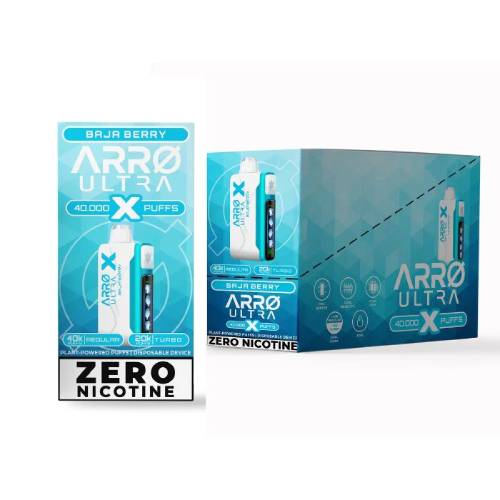
Take the ARRO Ultra X 40K ZERO Nicotine Disposable as an example of how far the category has come. This device features an integrated rechargeable battery paired with a massive 22ML e-liquid capacity and an impressive 40,000 puff output in Regular Mode, or 20,000 puffs in Turbo Mode. It also includes a full display screen with battery and e-liquid indicators, giving users real-time control and visibility.
Dual mesh coils and a dual-core design enhance flavor consistency, while bottom adjustable power and airflow allow users to fine-tune their draw. Built with plant-powered powders and engineered for longevity, it reflects how high-end zero nicotine devices are no longer stripped-down versions of something else. They’re purpose-built products in their own right.
Flavor as the Main Event
Without nicotine taking center stage, flavor becomes the star. And that’s exactly what many consumers want. From layered fruit blends to icy mint profiles and dessert-inspired mixes, the focus has shifted toward depth and balance.
Advanced dual mesh coil systems help maintain consistent heating, which means flavor doesn’t fade halfway through the device. Adjustable airflow also plays a role. A tighter draw can intensify sweetness and concentration, while a looser setting can create smoother, airier vapor. These small technical upgrades make a big difference in how flavors are perceived.
For people who enjoy the sensory side of vaping, that level of customization is part of the appeal. It turns vaping into something you dial in to your preference, rather than something you simply use.
Design and Display Matter More Than Ever
Another factor driving the clean vaping movement is design. Today’s devices look and feel premium. Full display screens, light and dark modes, battery indicators, and e-liquid tracking add a tech-forward feel that resonates with modern consumers.
Devices like the ARRO Ultra X 40K reflect this design-first philosophy. Instead of a basic plastic shell, you get a thoughtfully engineered product that feels substantial and polished. When people choose a zero nicotine device, they’re often choosing something that aligns with a minimalist, streamlined aesthetic.
Vaping is no longer just about what’s inside the device. It’s about the overall experience—from the first unboxing to the final puff.
Social and Lifestyle Influences
Trends don’t exist in a vacuum. The broader cultural focus on wellness, mindfulness, and clean living has influenced countless industries, from food to fitness to personal care. Vaping hasn’t been immune to that shift.
For some adults, moving toward zero nicotine options feels consistent with a broader lifestyle choice. It’s less about replacement and more about refinement. They may still enjoy flavorful vapor and modern hardware, but they want it on their own terms.
Social media has also played a role. Product photography, unboxing videos, and device comparisons highlight features like dual mesh coils, adjustable airflow, and display screens. As the conversation moves away from strength levels and toward performance and design, the demand for zero nicotine devices naturally grows.
Performance Without Compromise
One misconception is that zero nicotine devices are somehow “lighter” or less powerful. In reality, today’s hardware delivers dense vapor and bold flavor profiles comparable to any standard disposable. The difference lies in formulation, not performance.
With large e-liquid capacities and rechargeable batteries, devices can last for days or even weeks depending on usage. Two power modes—such as Regular and Turbo—offer flexibility for different situations. Want maximum puff count and extended use? Stick to Regular Mode. Looking for a stronger, warmer draw? Switch to Turbo.
That level of control reinforces why the clean vaping movement continues to gain momentum. It’s not about removing features. It’s about keeping the best ones.
What the Future Looks Like
The rise of nicotine-free vaping isn’t a passing phase. It reflects a broader evolution in how consumers approach personal products. People are asking better questions. They’re comparing features. They’re choosing devices that align with their preferences instead of following a one-size-fits-all path.
As brands continue to innovate, we can expect to see even more advanced coil systems, smarter displays, and refined airflow adjustments. Companies like arro vape are already pushing design and capacity limits, showing that zero nicotine doesn’t mean zero innovation.
Ultimately, the clean vaping movement is about choice. It’s about enjoying flavor, technology, and customization without complexity. Whether someone is drawn to sleek displays, high puff counts, or the ability to fine-tune airflow, zero nicotine devices have carved out a clear and growing space in the market.
And judging by current trends, that space is only going to expand.
Some mushroom varieties earn attention through bold names or modern hybrids. Others build their reputation quietly, shaped by place, climate, and time. This article explores one of those quieter standouts—a rare Malaysian strain that has captured long-term interest among collectors for reasons that go well beyond hype.
Rather than focusing on outcomes or claims, we’ll look at origins, visual traits, and why this strain continues to hold a special place in the broader mycology conversation.
Roots in a Unique Landscape
This Malaysian strain traces its story to a region known for dense rainforest, steady humidity, and year-round warmth. These environmental conditions don’t just influence plant life—they also shape fungal genetics over generations.
The strain is often associated with areas surrounding taman negara, one of the oldest rainforests in the world. That connection alone gives it a sense of depth and history that many modern varieties simply can’t replicate.
Equatorial climate with minimal seasonal swings
Consistent moisture levels throughout the year
Rich organic ground layers from dense forest growth
Over time, these factors helped shape a strain that reflects its environment in both form and resilience.
Visual Characteristics That Stand Out
At first glance, this Malaysian variety doesn’t rely on extreme coloration or exaggerated shapes to stand out. Its appeal is more subtle, favoring balance and proportion.
Collectors often note its clean structure and uniform appearance, which suggests stable genetics rather than aggressive selective breeding.
Smooth, evenly shaped caps
Balanced proportions between stem and cap
Natural coloration without dramatic mutations
This consistency is one reason it’s often described as “true to form,” staying close to its original genetic profile.
Why Collectors Continue to Seek It Out
In a space where new crosses appear constantly, this strain has remained relevant by simply being reliable and well-documented. It’s not a novelty release—it’s a reference point.
Collectors appreciate strains like this because they offer a clear look at how geography and environment influence development, without heavy human intervention.
Strong connection to a specific region
Stable appearance across samples
Longstanding presence in collector circles
That reliability makes it valuable for comparison and study.
Its Place in the Broader Mycology World
This Malaysian strain often shows up in discussions about classic regional varieties. While newer options may draw attention with flashy traits, older strains like this one provide grounding.
They help collectors and researchers understand how varieties evolved before modern crossing techniques became common.
It’s also frequently mentioned alongside other Southeast Asian strains, forming a regional group known for consistency and environmental adaptation.
Preservation Over Reinvention
One of the most interesting aspects of this strain is how little it has changed over time. While many varieties are repeatedly modified or crossed, this one is often preserved in its original form.
That preservation mindset appeals to those who value authenticity and lineage.
Minimal genetic modification
Emphasis on maintaining original traits
Used as a baseline in comparative studies
In a fast-moving space, that kind of consistency is rare.
Why It Still Matters Today
Even with countless modern options available, this Malaysian strain continues to earn respect. Not because it tries to compete with newer genetics—but because it doesn’t have to.
Its importance comes from what it represents: a direct link between environment, geography, and fungal development.
For collectors, researchers, and enthusiasts alike, strains like this remind us why documentation and preservation matter just as much as innovation.
Final Thoughts
This rare Malaysian strain isn’t defined by exaggeration or trend-driven appeal. Instead, it stands out through history, balance, and regional identity.
By maintaining its original traits and remaining closely tied to its environment, it offers a meaningful point of reference within the world of mushroom spores—one that continues to be appreciated for exactly what it is.
If you hang around vape shops long enough, you’ll notice something interesting: people tend to fall into two clear camps. Some swear by refillable setups and carefully chosen bottles, while others wouldn’t dream of carrying anything except a ready-to-use device. Neither side is wrong. In fact, the preference often comes down to lifestyle, habits, and what someone values most in their day-to-day routine.
This isn’t about trends or hype. It’s about how different vaping styles fit into real life. Let’s break down why these preferences exist and why they’ve both stuck around.
The Appeal of Bottled Options
For many experienced users, bottled e-liquid feels like the “hands-on” route. It offers a sense of control that appeals to people who enjoy customizing their setup and dialing things in just right.
Some common reasons people gravitate toward bottles include:
Consistency: Once someone finds a flavor they love, sticking with it is easy.
Flexibility: Bottles can be paired with different devices depending on mood or situation.
Routine: Refilling becomes part of the process, not a chore.
There’s also a satisfaction factor. Pouring from a bottle, checking levels, and maintaining gear can feel more intentional. For people who enjoy hobbies that involve small rituals, this approach fits naturally into their day.
Why Convenience Wins for Others
On the other end of the spectrum are users who want things as simple as possible. No extra parts, no refills, no maintenance beyond charging or replacing the device. This is where disposables shine.
People who lean this way often value:
Speed: Open the package and it’s ready to go.
Portability: Slim, lightweight designs fit easily in pockets or bags.
Low commitment: No need to invest time learning settings or upkeep.
For busy schedules or travel-heavy lifestyles, not having to think about refilling can be a major advantage. It’s less about customization and more about ease.
Flavor Exploration vs. Familiar Favorites
Flavor plays a huge role in preference. Some people enjoy rotating through new tastes constantly, while others are happiest sticking with what they already know.
Those who favor bottled options often enjoy:
Buying larger quantities of a favorite flavor
Mixing or switching between profiles
Keeping backups on hand
Meanwhile, disposable fans may appreciate the ability to:
Try new flavors without committing to a full bottle
Switch devices when a flavor runs out
Avoid leftover product they didn’t enjoy
Neither approach is better; they simply serve different personalities and preferences.
Upkeep: Enjoyment or Inconvenience?
Maintenance is one of the biggest dividing lines. Some people genuinely enjoy taking care of their setup. Others see it as unnecessary work.
Refillable setups require a bit more attention, such as:
Keeping bottles stored properly
Monitoring levels to avoid running out
Occasional cleaning
In contrast, disposables remove most of those steps. Once the device is done, it’s replaced. For people who don’t want vaping to feel like a task, that simplicity can be a major selling point.
Budget Perspectives Can Differ
Cost perception also influences preference, though not always in obvious ways. Some users prefer buying one bottle that lasts a long time, while others are comfortable picking up devices as needed.
It often comes down to habits:
Regular, predictable use may favor bottles
Occasional or situational use may favor disposables
What feels economical to one person might not feel that way to another, depending on frequency and expectations.
Social and Lifestyle Factors
Environment matters too. Someone who vapes mostly at home may not mind keeping bottles and gear nearby. Someone who’s always on the move might prefer something that requires zero planning.
Think about scenarios like:
Commuting or traveling
Social events
Work breaks
In many of these cases, grabbing a single device is easier than carrying extra supplies.
Why Both Options Continue to Coexist
The reason both styles remain popular is simple: they serve different needs. Bottled setups appeal to people who enjoy customization and consistency. Disposable vape options attract those who prioritize convenience and simplicity.
As long as people have different routines, schedules, and preferences, neither option is going away anytime soon.
Final Thoughts
At the end of the day, choosing between bottles and disposables isn’t about right or wrong. It’s about what fits your life. Some people enjoy the ritual and flexibility that comes with vape juice, while others appreciate the grab-and-go ease of a disposable vape. Understanding these differences makes it easier to see why both have loyal followings—and why that likely won’t change.