
A Beginner’s Guide to Growing Your Own Mushrooms
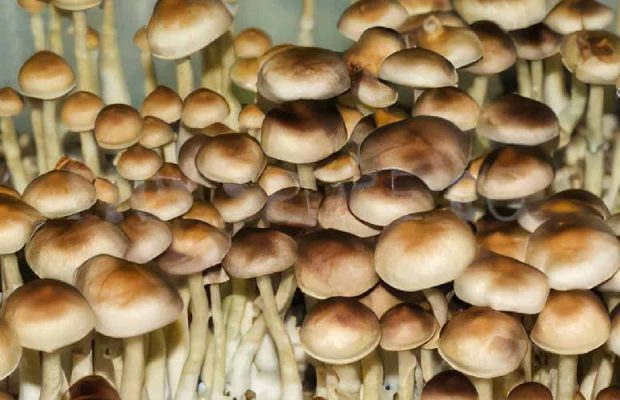
If you’ve ever been intrigued by the idea of cultivating your own mushrooms, you’re not alone. Many people are discovering the joys of growing their own mushrooms at home. It’s a fascinating hobby that offers a unique connection to nature and the satisfaction of producing something with your own hands. Whether you’re interested in culinary mushrooms for cooking or exploring other varieties, this guide will help you get started.
Why Grow Mushrooms?
Growing mushrooms is an enjoyable and rewarding process. It’s perfect for those who love gardening but may not have the outdoor space for a traditional garden. Mushrooms can be grown indoors, making it accessible for apartment dwellers or anyone with limited outdoor space. Plus, the variety of mushrooms you can grow is vast, from the common button mushrooms to the more exotic shiitake or oyster varieties.
Getting Started
To begin, you’ll need a few basic supplies. These include a growing medium (such as straw, wood chips, or coffee grounds), mushroom spores or spawn, and a suitable container. Many companies, like MagicSporeLabs, offer kits that contain everything you need to get started. These kits are especially convenient for beginners, as they simplify the process and ensure you have the right materials.
The Growing Process
- Prepare Your Substrate: The substrate is the material on which your mushrooms will grow. Depending on the type of mushroom, this can vary. For instance, oyster mushrooms thrive on straw, while shiitake mushrooms prefer hardwood logs. If you’re using a kit, follow the instructions provided to prepare the substrate.
- Inoculate with Spawn: Once your substrate is ready, it’s time to introduce the mushroom spawn. This is essentially the “seed” that will grow into mushrooms. Spread the spawn evenly over the substrate and mix it in well. This step is crucial as it sets the stage for growth.
- Create the Right Environment: Mushrooms need specific conditions to grow, including the right temperature, humidity, and light. Most mushrooms prefer a dark, cool, and humid environment. A basement or a closet can work well for indoor growing. Mist the growing area regularly to maintain humidity.
- Monitor and Wait: After setting up your growing area, all that’s left to do is wait and watch. Depending on the type of mushroom, it can take anywhere from a few weeks to a few months to see the first signs of growth. Keep an eye on the temperature and humidity levels to ensure optimal conditions.
- Harvesting: Once your mushrooms have grown to the desired size, it’s time to harvest. Use a sharp knife to cut the mushrooms at the base. Be gentle, as the mushrooms can be delicate. Enjoy your homegrown mushrooms fresh or preserve them for later use.
Conclusion
Growing your own mushrooms is a fantastic way to explore the world of fungi and enjoy the fruits (or fungi) of your labor. It’s a fun and educational hobby that can be enjoyed by people of all ages. Whether you’re a seasoned gardener or a complete beginner, the process is accessible and rewarding.

You must be logged in to post a comment Login