
A Rare Malaysian Strain and What Makes It Special

Some mushroom varieties earn attention through bold names or modern hybrids. Others build their reputation quietly, shaped by place, climate, and time. This article explores one of those quieter standouts—a rare Malaysian strain that has captured long-term interest among collectors for reasons that go well beyond hype.
Rather than focusing on outcomes or claims, we’ll look at origins, visual traits, and why this strain continues to hold a special place in the broader mycology conversation.
Roots in a Unique Landscape
This Malaysian strain traces its story to a region known for dense rainforest, steady humidity, and year-round warmth. These environmental conditions don’t just influence plant life—they also shape fungal genetics over generations.
The strain is often associated with areas surrounding taman negara, one of the oldest rainforests in the world. That connection alone gives it a sense of depth and history that many modern varieties simply can’t replicate.
- Equatorial climate with minimal seasonal swings
- Consistent moisture levels throughout the year
- Rich organic ground layers from dense forest growth
Over time, these factors helped shape a strain that reflects its environment in both form and resilience.
Visual Characteristics That Stand Out
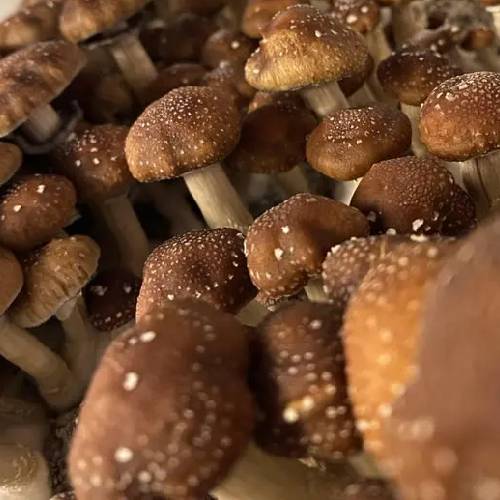
At first glance, this Malaysian variety doesn’t rely on extreme coloration or exaggerated shapes to stand out. Its appeal is more subtle, favoring balance and proportion.
Collectors often note its clean structure and uniform appearance, which suggests stable genetics rather than aggressive selective breeding.
- Smooth, evenly shaped caps
- Balanced proportions between stem and cap
- Natural coloration without dramatic mutations
This consistency is one reason it’s often described as “true to form,” staying close to its original genetic profile.
Why Collectors Continue to Seek It Out
In a space where new crosses appear constantly, this strain has remained relevant by simply being reliable and well-documented. It’s not a novelty release—it’s a reference point.
Collectors appreciate strains like this because they offer a clear look at how geography and environment influence development, without heavy human intervention.
- Strong connection to a specific region
- Stable appearance across samples
- Longstanding presence in collector circles
That reliability makes it valuable for comparison and study.
Its Place in the Broader Mycology World
This Malaysian strain often shows up in discussions about classic regional varieties. While newer options may draw attention with flashy traits, older strains like this one provide grounding.
They help collectors and researchers understand how varieties evolved before modern crossing techniques became common.
It’s also frequently mentioned alongside other Southeast Asian strains, forming a regional group known for consistency and environmental adaptation.
Preservation Over Reinvention
One of the most interesting aspects of this strain is how little it has changed over time. While many varieties are repeatedly modified or crossed, this one is often preserved in its original form.
That preservation mindset appeals to those who value authenticity and lineage.
- Minimal genetic modification
- Emphasis on maintaining original traits
- Used as a baseline in comparative studies
In a fast-moving space, that kind of consistency is rare.
Why It Still Matters Today
Even with countless modern options available, this Malaysian strain continues to earn respect. Not because it tries to compete with newer genetics—but because it doesn’t have to.
Its importance comes from what it represents: a direct link between environment, geography, and fungal development.
For collectors, researchers, and enthusiasts alike, strains like this remind us why documentation and preservation matter just as much as innovation.
Final Thoughts
This rare Malaysian strain isn’t defined by exaggeration or trend-driven appeal. Instead, it stands out through history, balance, and regional identity.
By maintaining its original traits and remaining closely tied to its environment, it offers a meaningful point of reference within the world of mushroom spores—one that continues to be appreciated for exactly what it is.

You must be logged in to post a comment Login